Complete Lore Bible — Revised Edition
THE CHRONICLES OF THE SOURCE CODE
A universe where programming languages, protocols, tools, and computing pioneers come to life as epic characters.
Each card represents an entity that shaped the history of computing. From founding Titans to legendary errors, from ancient languages to modern frameworks, all coexist in this digital mythology.
8 Legendary • 19 Rare • 33 Common
MORE THAN A CARD GAME
A Celebration of Computing History
MAKE COMPUTING ACCESSIBLE
Tech history is fascinating, but often reserved for insiders. The Chronicles of the Source Code transform complex concepts into captivating stories.
- • No need to be a developer
- • Learn while having fun
- • Discover tech giants
- • Understand our digital world
BUILD A PASSIONATE COMMUNITY
Developers share a rich culture, common references, inside jokes. These cards are a common language.
- • A common language
- • Conversation starters
- • Collectibles to share
- • A bridge between dev generations
CELEBRATE THE TECH LEGACY
Grace Hopper invented the compiler. Linus created Linux in his bedroom. Tim Berners-Lee gave the Web to the world. These stories deserve to be told.
- • Inspire future generations
- • Honor the pioneers
- • Preserve collective memory
- • Show that tech is human
"The Chronicles of the Source Code are not just a simple collectible card game. It's a celebration of computer history, transformed into a mythological epic."
Each card tells a true story: that of a language that changed the world, a pioneer who dared to dream bigger, a concept that defines our digital daily life.
I. COSMOGONY — THE CREATION
The Genesis of the Digital Universe
The Analog Void
Before all code, before any machine, there existed the Analog Void — a world of mechanisms, gears, and manual calculations. Humanity dreamed of thinking machines, but did not yet possess the language to speak to them.
Then came the Titans.
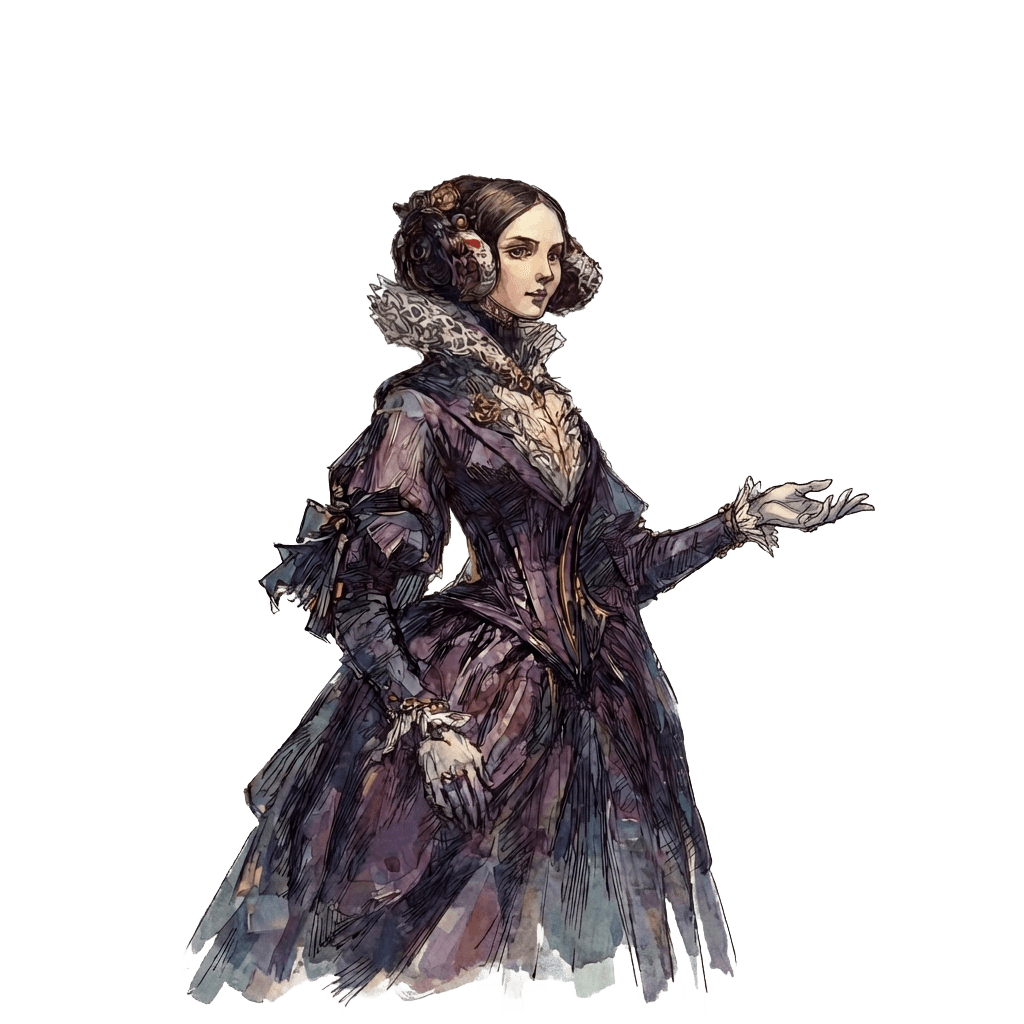
ADA LOVELACE
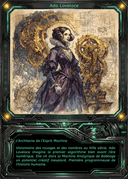
The Visionary — 1843
Visionary of gears and numbers in the 19th century, Ada Lovelace imagined the first algorithm long before the digital era. She saw in Babbage's Analytical Engine an unexplored creative potential. Her algorithm was the first program in history — a coded prophecy.
"The Analytical Engine has no pretensions to originate anything. It can do whatever we know how to order it to perform."
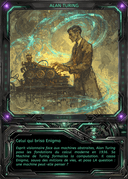
ALAN TURING
The Architect — 1936
Visionary mind facing abstract machines, Alan Turing laid the foundations of modern computation in 1936. His Turing Machine formalized computation. He cracked Enigma, saved millions of lives, then asked THE fundamental question: "Can a machine think?" The Turing Test remains the ultimate criterion for artificial intelligence.
"What we want is a machine that can learn from experience."
GRACE HOPPER
The Translator — 1952
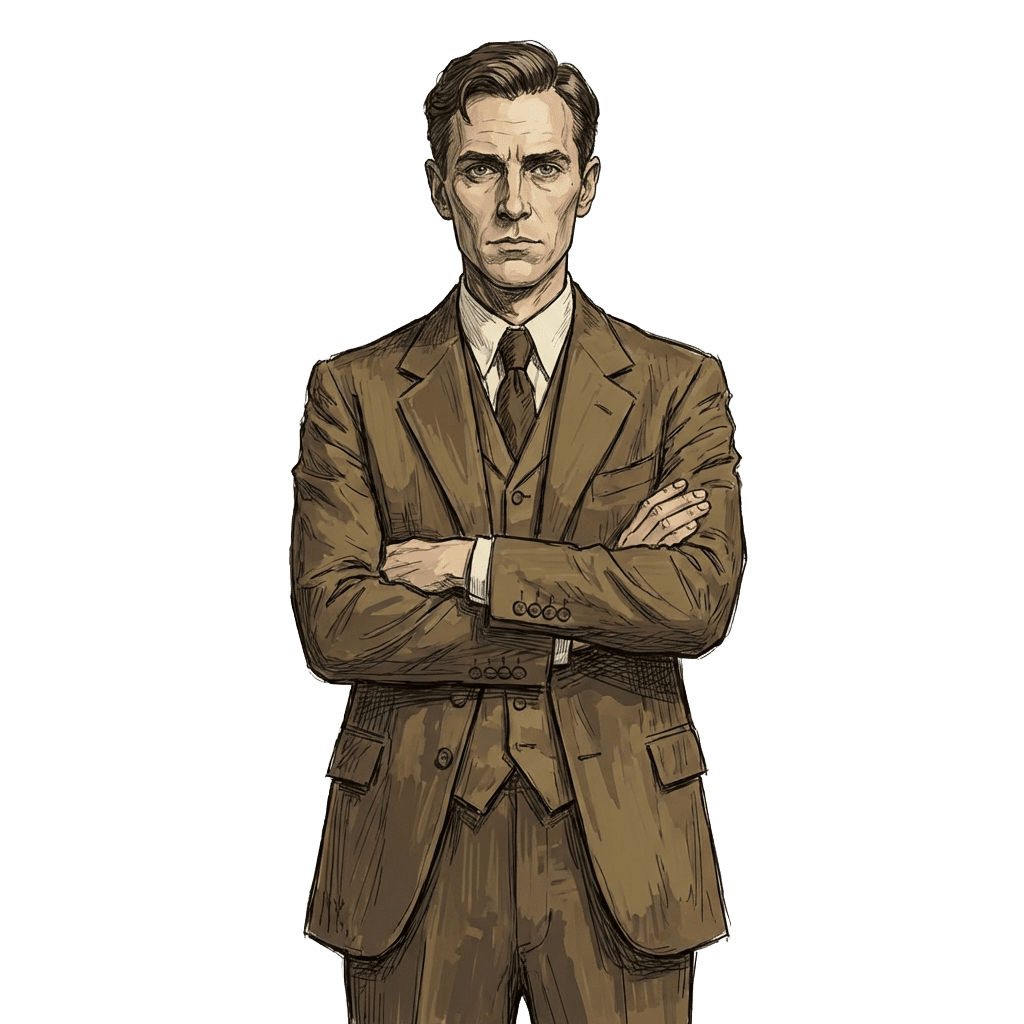
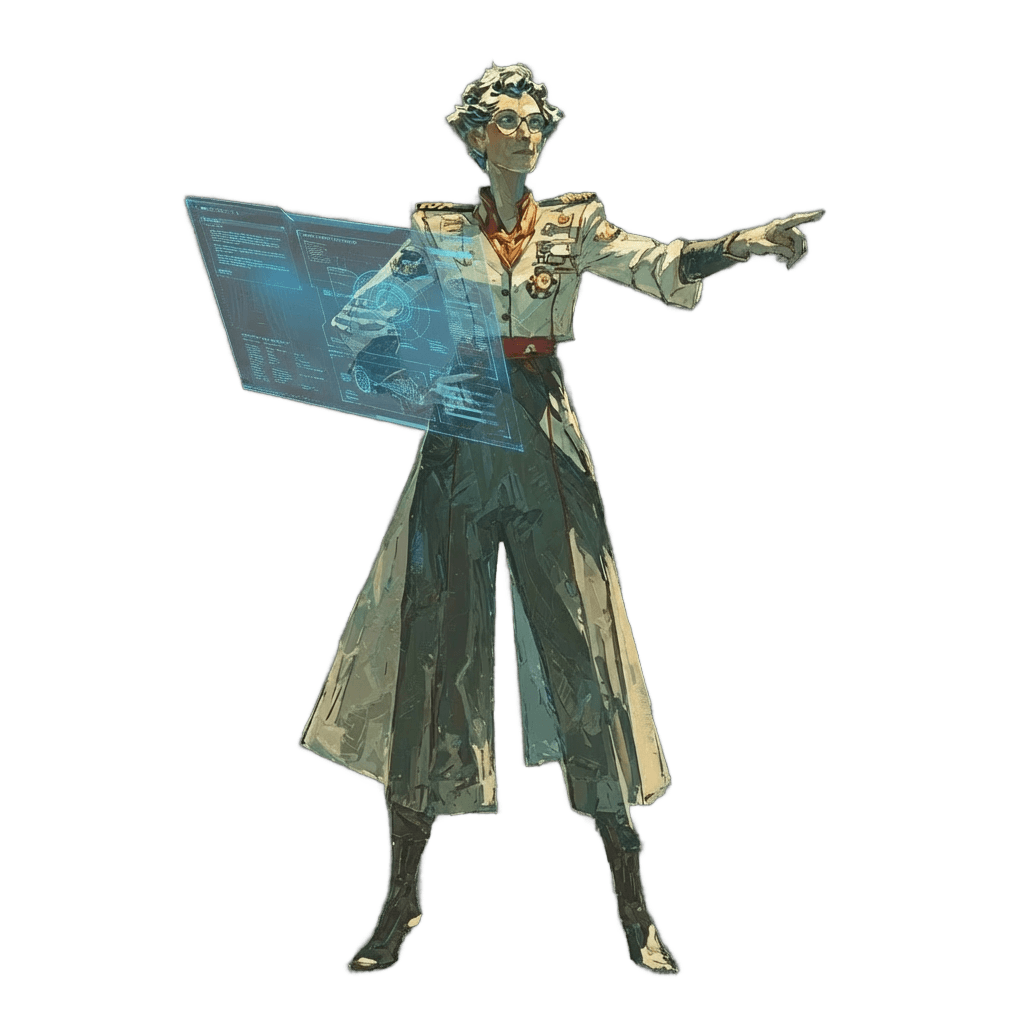
Visionary admiral of computing, Grace Hopper invented the first compiler and paved the way for modern languages. By making code more human, she transformed machines into allies. The Compiler, a sacred artifact forged in 1952, became the bridge between man and machine.
"The most dangerous phrase in the language is: We've always done it this way."
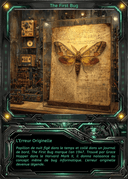
THE FIRST BUG — 1947
The Primordial Error
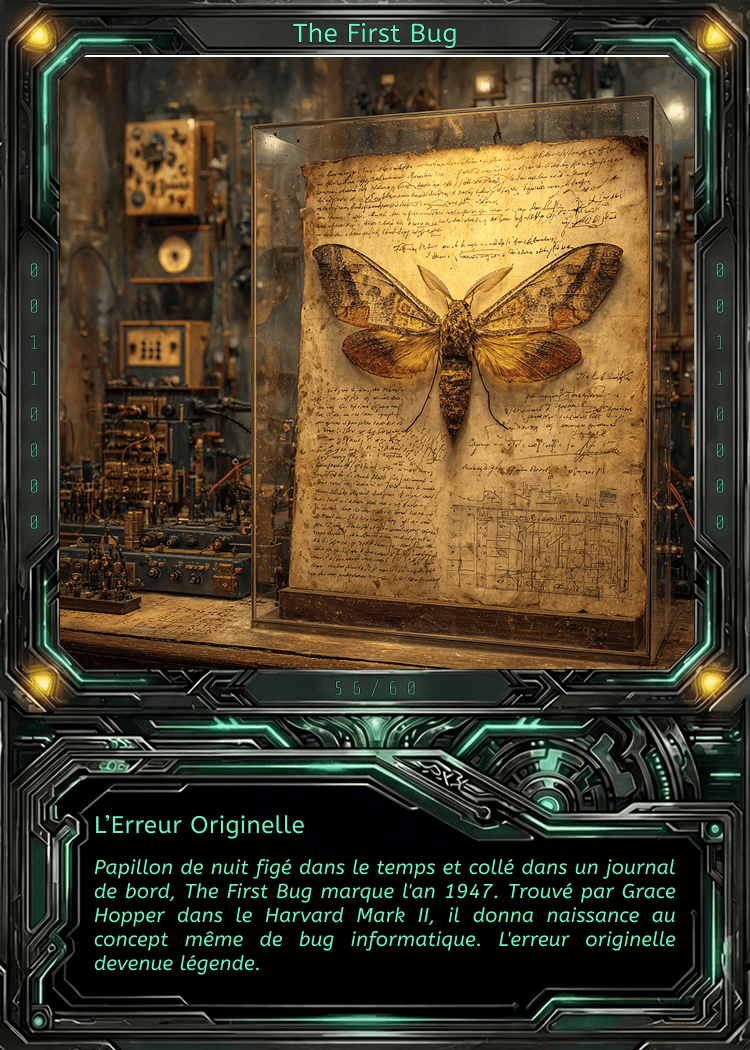
In 1947, a moth got stuck in the relays of the Harvard Mark II. Grace Hopper documented this first "bug" (insect), giving birth to the very concept of computer error.
The First Bug provoked the birth of its eternal nemesis: Debug. Because since that day, every developer faces the same fate — hunting the elusive error.
★ LEGENDARY — The Original ErrorII. THE DIGITAL AGES
From Pre-Genesis to the Modern Age
PRE-GENESIS (Before 1950)
The Age of Visionaries
Ada Lovelace imagines the first algorithm in 1843. Alan Turing formalizes the theory of computation in 1936. ENIAC, the Original Colossus, fills an entire room and proves that computing power can change the world. The theoretical foundations are laid before the machines even exist to execute them.
📜 Ada Lovelace: First programmer in history in 1843, before computers even existed. She saw in Babbage's Analytical Engine an unexplored creative potential.
THE GENESIS (1950-1970)
The Reign of the Founders
Grace Hopper forges the Compiler in 1952, the sacred gateway that allows humans to speak to machines. Dennis Ritchie gives birth to the C language and co-creates UNIX at Bell Labs — the Original System from which all modern systems descend. ARPANET is born during the Cold War, connecting distant machines for the first time.
📜 Margaret Hamilton leads the team that codes the Apollo 11 software. Her printed code stack, taller than herself, becomes an iconic image. Thanks to her work, humanity walks on the Moon.
THE EXPANSION (1970-1995)
The Multiplication of Languages
From UNIX comes a rebellion: Linus Torvalds, frustrated by the limitations of proprietary systems, creates Linux in 1991. The Free Penguin is born. Perl becomes the Swiss army knife of scripting. SQL teaches the world to organize and query data. Java emerges with its revolutionary promise: "Write once, run anywhere". Python prioritizes readability and simplicity.
📜 "I'm doing a (free) operating system (just a hobby, won't be big and professional like gnu)..." — Linus Torvalds, 1991. The Linux kernel now runs on 90% of cloud servers and 100% of supercomputers.
THE BROWSER WARS (1995-2010)
The Web Explosion
The World Wide Web, woven at CERN, transforms the Internet into a navigable and open space. HTML structures the pages, CSS dresses them, and JavaScript gives them a soul. Together, they reign over the Web Trinity. Netscape paves the way for modern browsing, bringing the Internet into homes worldwide. From its fall, Firefox will be born.
📜 Y2K Bug — The turn of the millennium triggers worldwide panic. Armies of programmers are called back to save the world. The apocalypse is averted, but the fear reveals the hidden fragility of systems.
THE MODERN AGE (2010-Present)
The Children Surpass the Parents
JavaScript begets React. Docker standardizes deployment with its containers. Kubernetes orchestrates entire fleets. Webpack weaves the modules of the modern frontend. Rust and Go challenge C for its crown. Swift replaces the old guard in the Apple kingdom. Git and GitHub transform collaboration into a planetary art. Godot challenges video game giants with the power of open source.
📜 GitHub becomes the world's code forge. Linux dominates 90% of the cloud and 100% of supercomputers. Open source triumphs — code belongs to everyone.
CONCEPT (Timeless)
The Fundamental Concepts
The fundamental concepts that transcend eras. Errors, tools, rituals — these elements are as old as code itself. From Null, the billion-dollar mistake, to Error 404, 401, and 500, from the eternal Debug to Rubber Duck Debugging, these concepts form the universal language of developers.
📜 "You've been chasing me for 70 years. But without me, you don't exist." — The First Bug to Debug. An eternal war between error and correction.
III. LEGENDARY CONFLICTS
The Tensions at the Heart of the Universe
The Memory War
Rust vs C
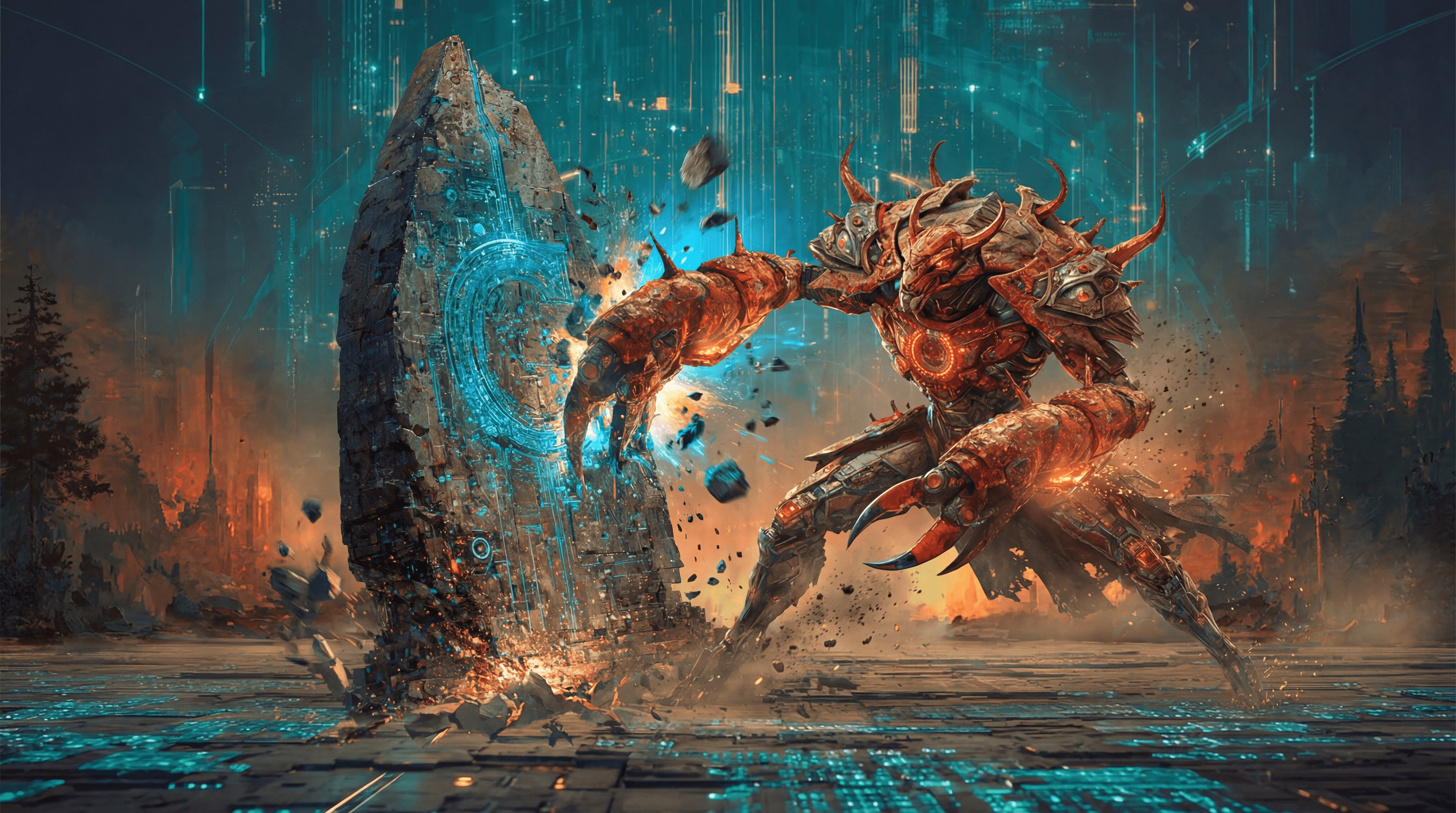
C has reigned for 50 years, but its memory flaws have caused countless bugs and security vulnerabilities. Segfault lurks in every C program, striking without warning. Rust, the armored Crab, promises performance without the dangers. The borrow checker is its ultimate weapon.
The Endless Hunt
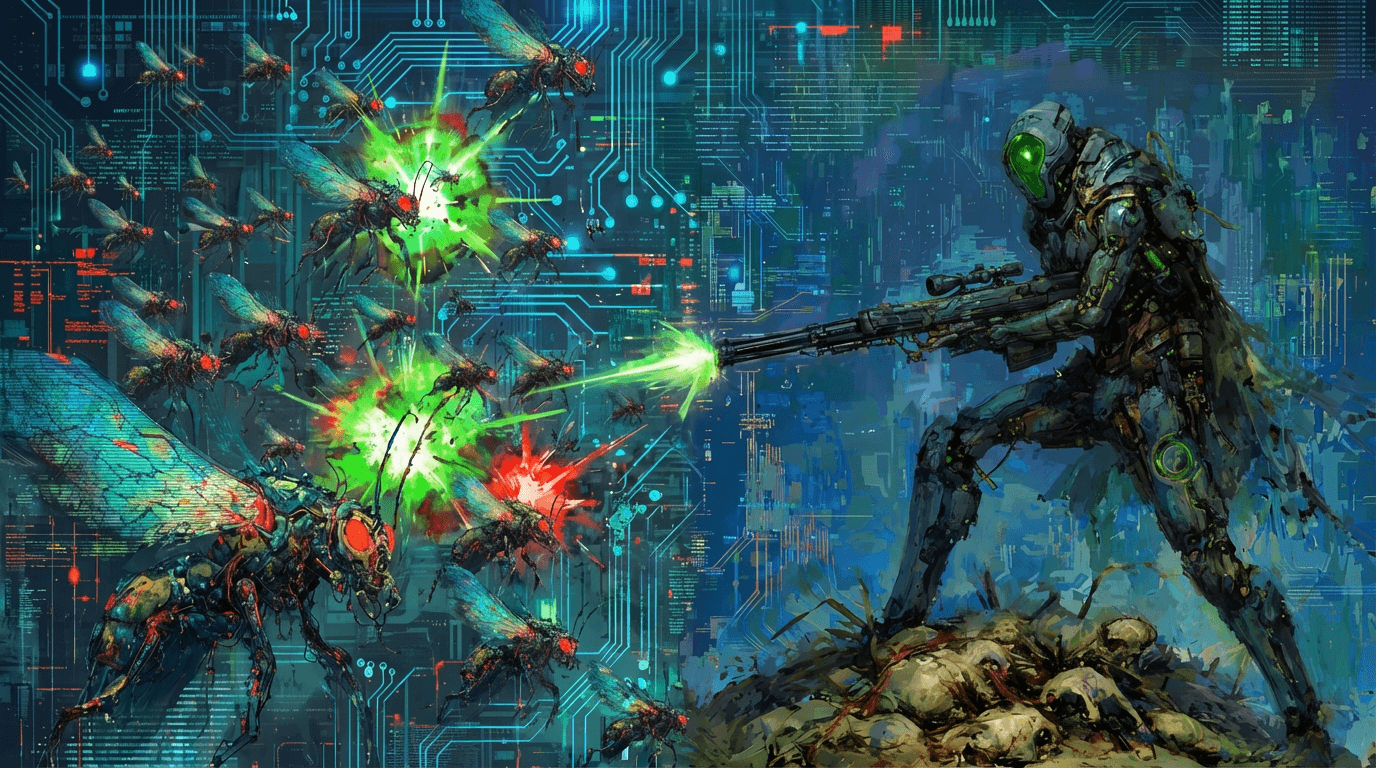
Debug vs Bug
Since The First Bug in 1947, Debug has been hunting bugs relentlessly. A patient sniper armed with breakpoints, logs, and Stack Traces, eliminating errors one by one. But for each bug destroyed, two new ones appear. The war will never end.
The Battle of Interfaces
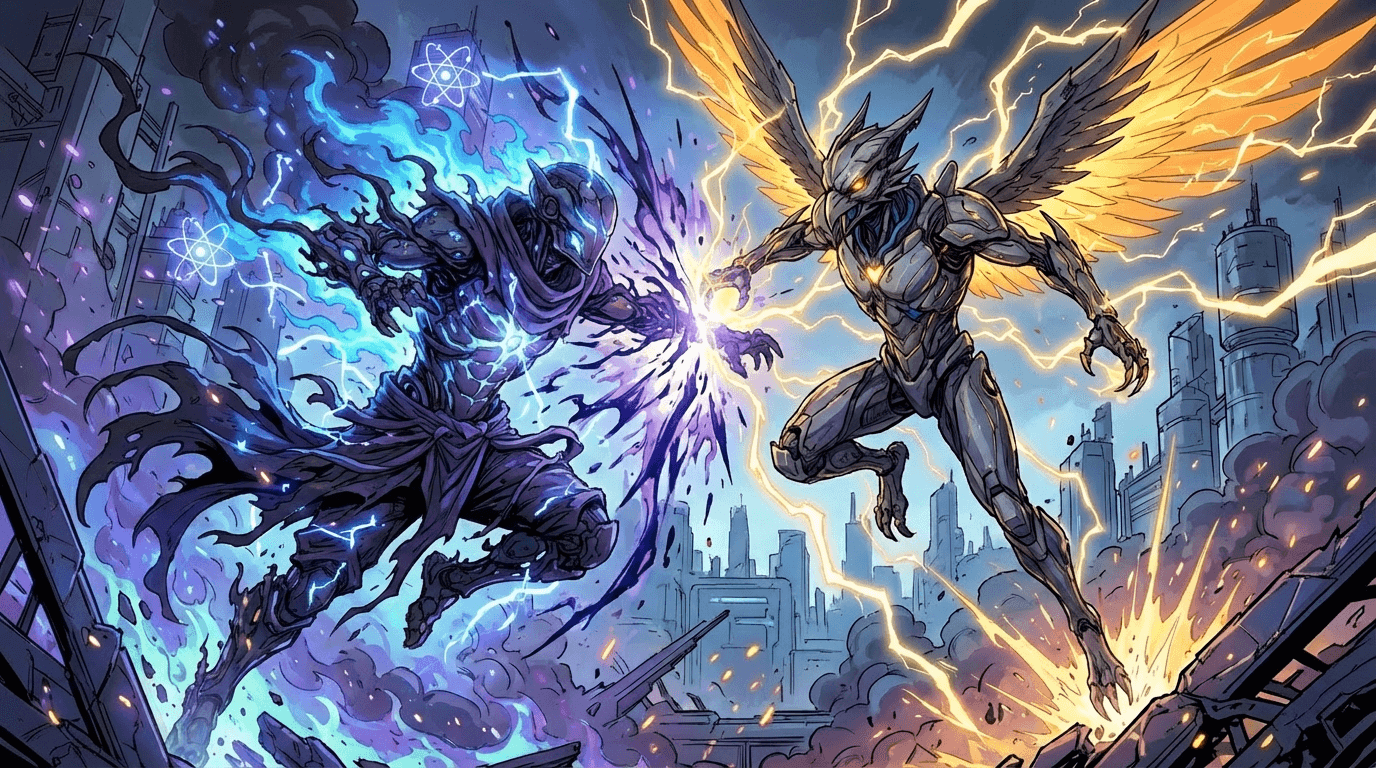
React vs Swift
JavaScript crystallizes into React to conquer web interfaces. The Reactive Atom, born in Facebook's laboratories, pulses with the energy of atomic components. Facing it, Swift defends the Apple kingdom with elegance and native performance.
The Kernel Schism
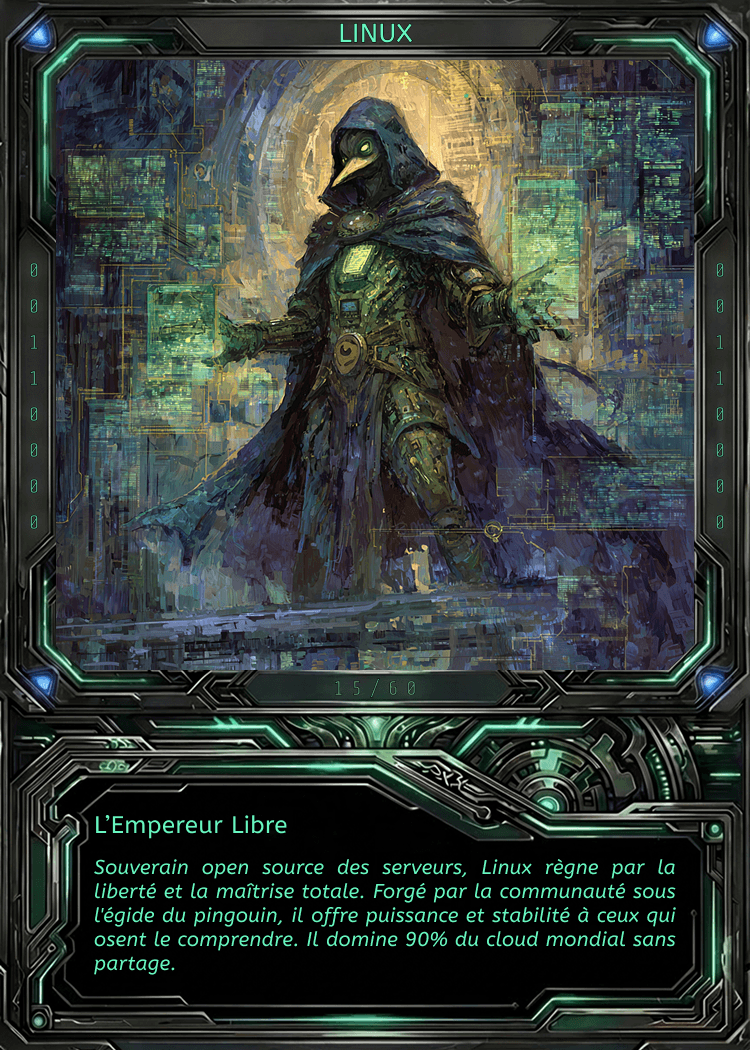
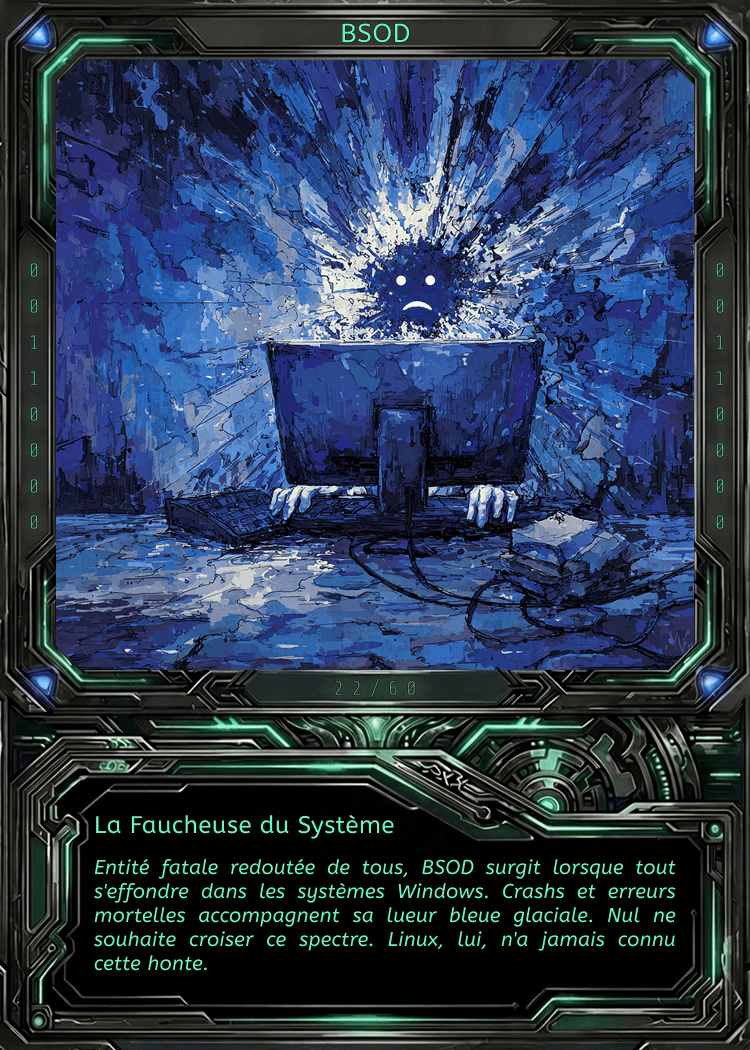
Linux vs BSOD
At the heart of every system beats a kernel. Linux's kernel, forged in open source, has never known the blue screen of death. BSOD, the specter of Windows, embodies the catastrophic failure of proprietary systems.
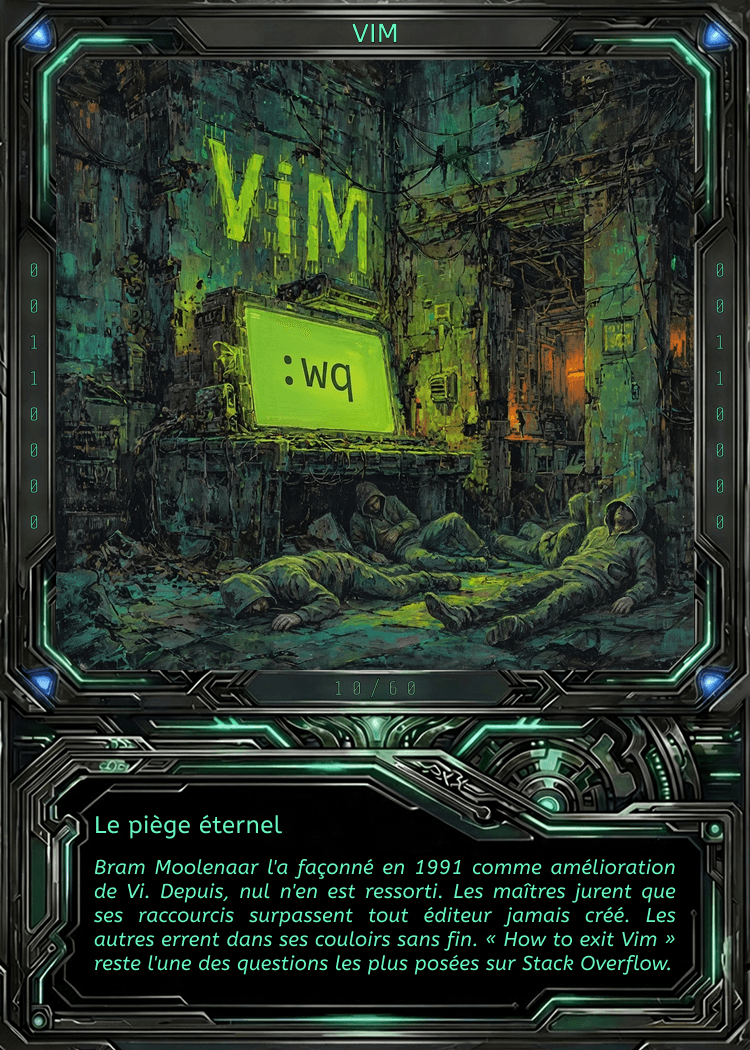
The Eternal Prison
Vim vs the World
You enter Vim easily. You never leave. The legendary editor has become a universal meme. "How to exit Vim?" remains one of the most asked questions on Stack Overflow. The gurus swear it's the most powerful editor… if you survive the learning curve.
IV. LINEAGES & LEGACIES
The Family Trees of the Digital World
The Systems Lineage
The C Lineage
The JavaScript Lineage
The Titans Lineage
The Networks Lineage
V. RITES & TRADITIONS
The Traditions that Unite Developers
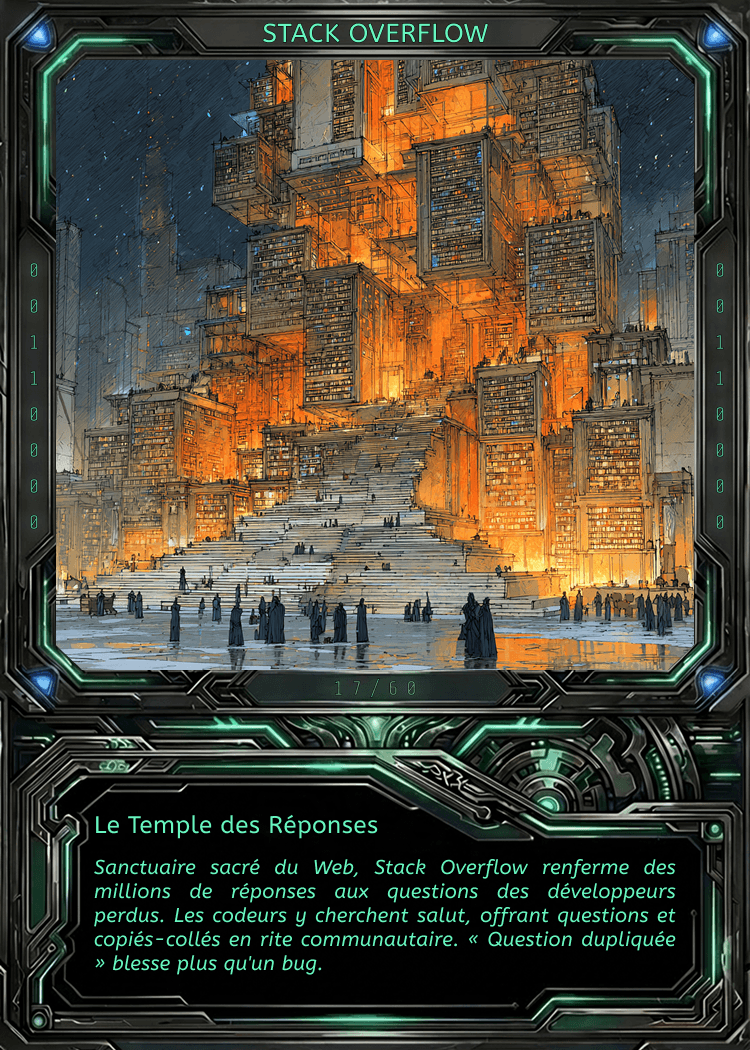
STACK OVERFLOW
The Temple of Knowledge
When a developer is lost, they pray to Stack Overflow. The answer already exists, somewhere. Copy-paste is a sacred art. "Duplicate question" is a painful sentence that hurts more than a bug.
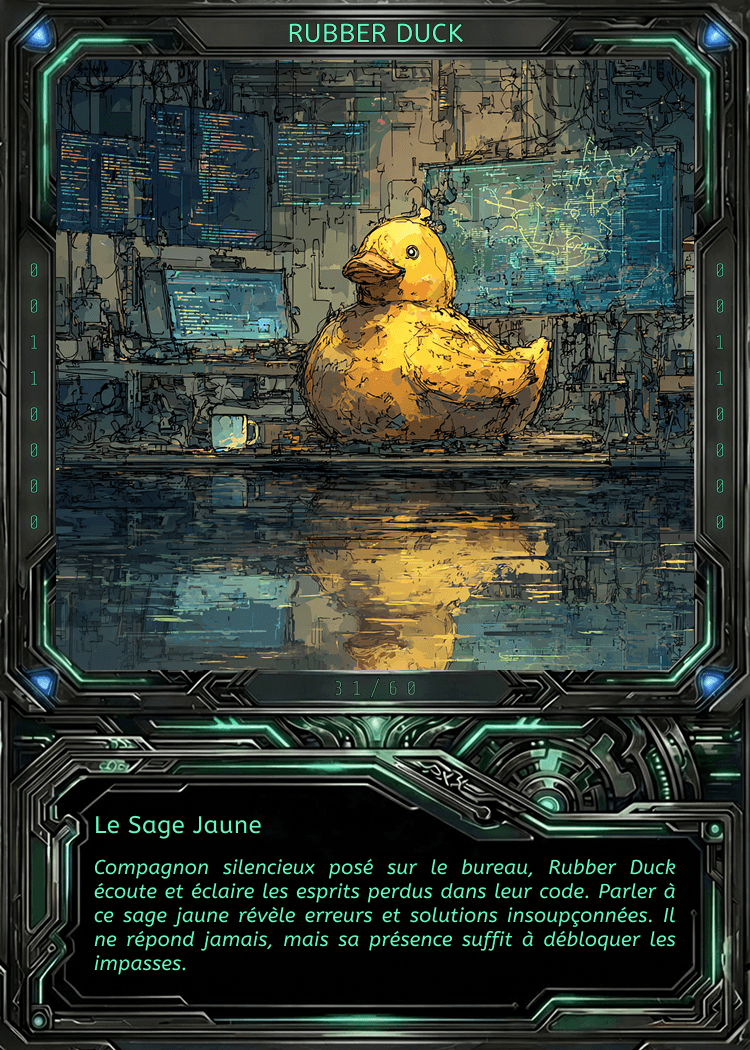
RUBBER DUCK
The Wisdom of the Duck
Explaining your code to a rubber duck solves problems. It seems absurd, but it works. The Duck never answers, but it always listens. The magic of verbalization transcends logic.
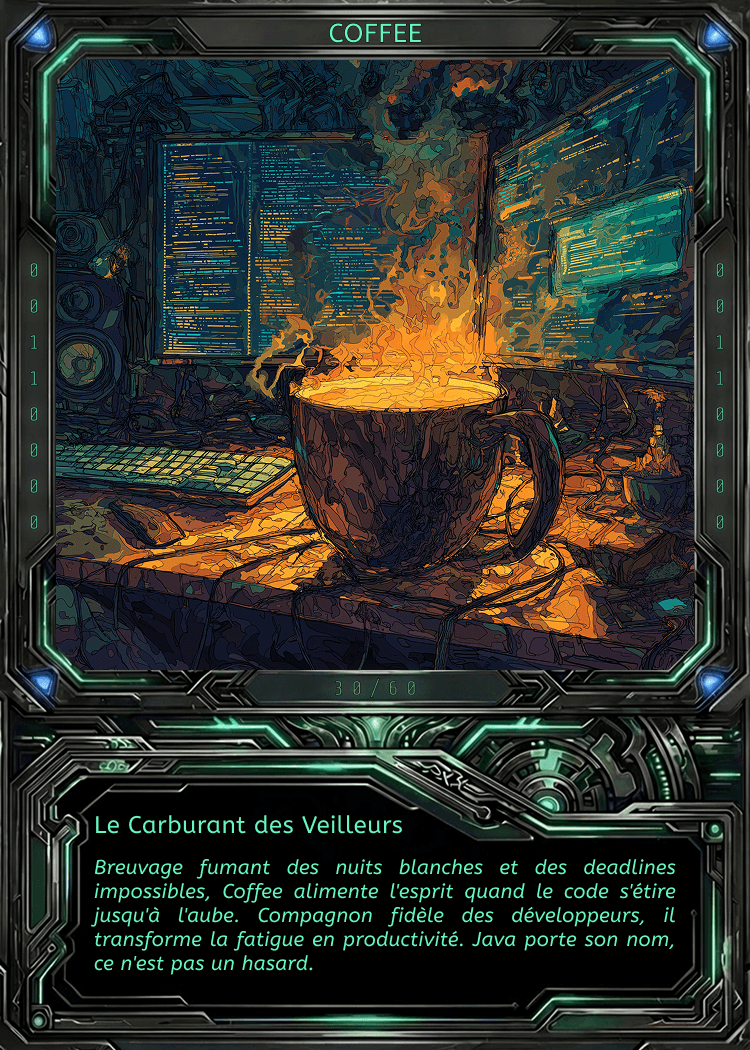
COFFEE
The Sacred Fuel
Coffee transforms sleep into code. Java, the language, is named after coffee. The logo is literally a steaming cup. Coincidence? Never. Late-night sessions are fueled by caffeine.
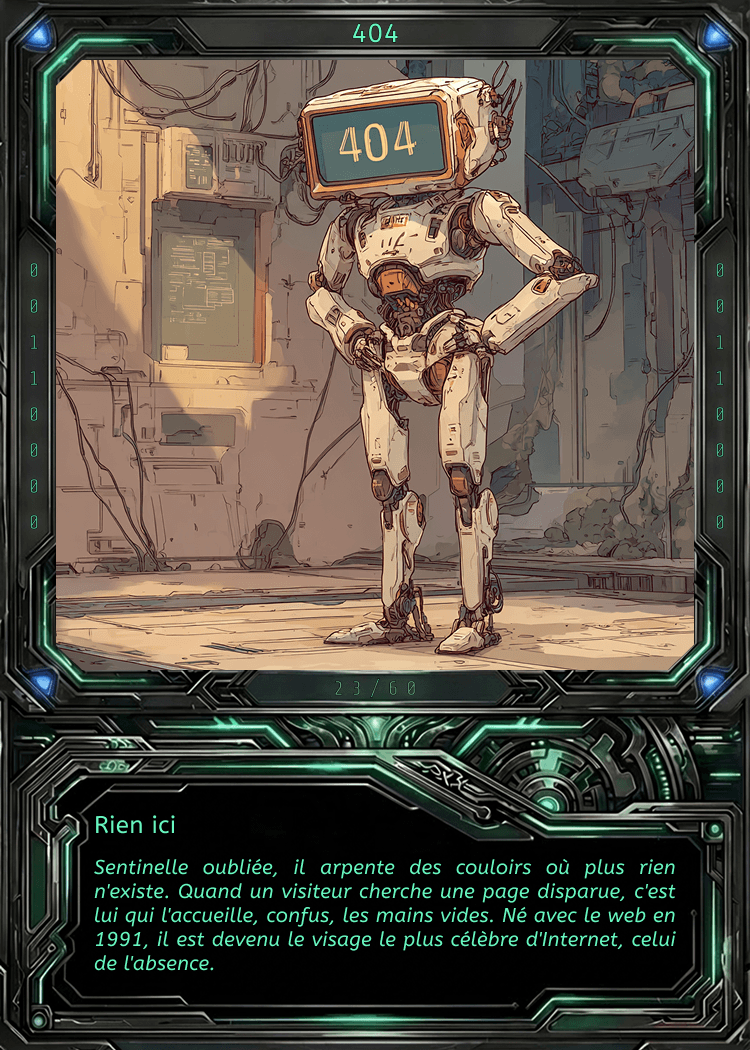
ERROR 404
The Lost Ghost
A ghost wandering in the void of the Web, Error 404 eternally searches for what no longer exists. Melancholic yet famous, it recalls absence and the broken paths of data. Page not found, broken heart.
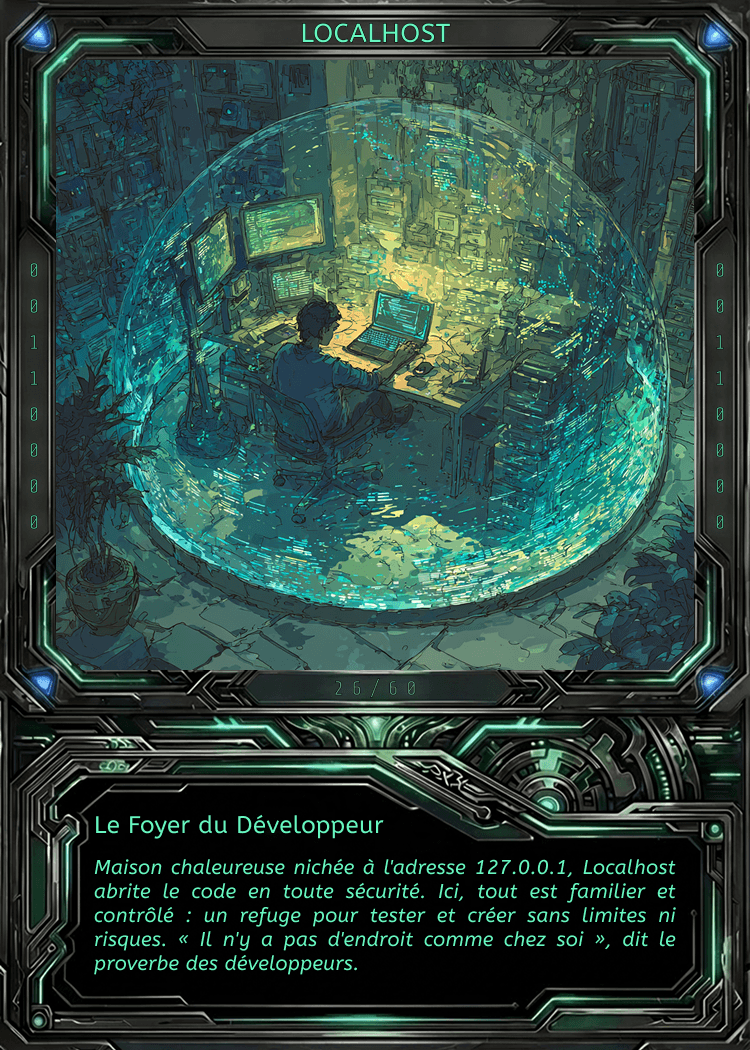
LOCALHOST
The Developer's Home
A warm house nestled at address 127.0.0.1, Localhost shelters code safely. Here, everything is familiar and controlled: a refuge for testing and creating without limits or risks. "There's no place like 127.0.0.1."
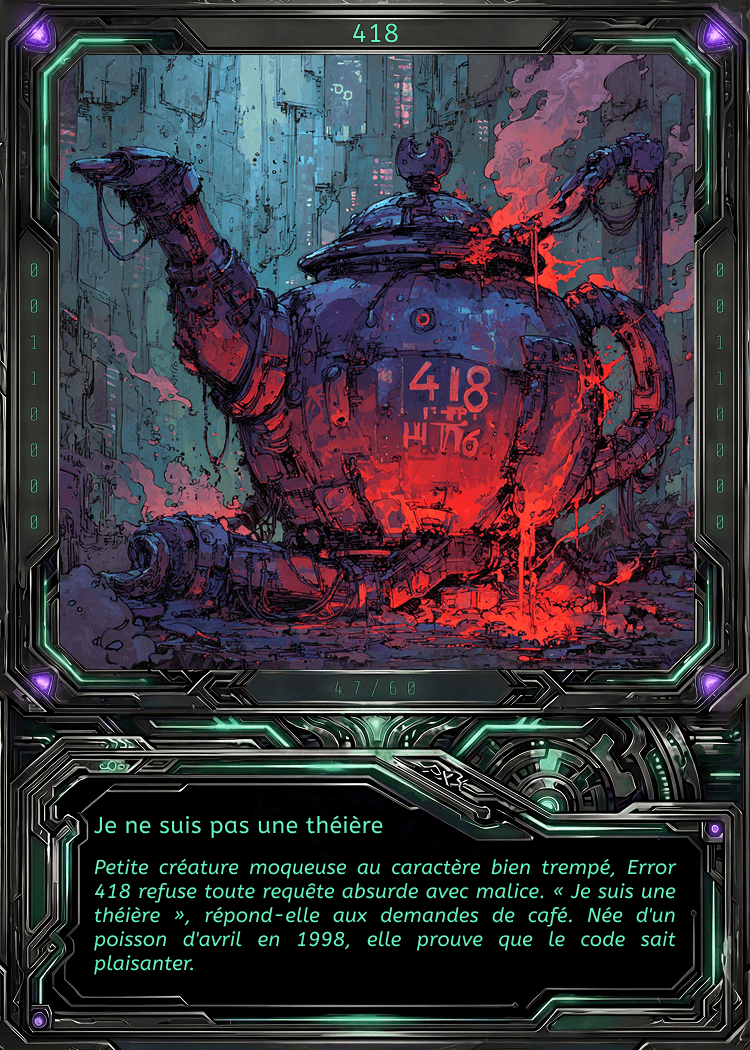
ERROR 418
I'm not a teapot.
A mischievous little creature with a strong personality, Error 418 refuses any absurd request with malice. "I'm a teapot," it replies to coffee requests. Born from an April Fools' joke in 1998, it has become an official standard.
JOIN THE LEGEND
These stories deserve to be told.
These heroes deserve to be celebrated.
This mythology deserves to exist.
From Ada Lovelace dreaming of algorithms in 1843 to ARPANET connecting the first machines, from Grace Hopper's Compiler to the World Wide Web given to humanity, these chronicles weave the thread of an unprecedented human and technological adventure.
60 cards • 6 eras • 3 rarities
8 Legendary • 19 Rare • 33 Common
The Chronicles of the Source Code — February 2026 — Revised Edition (60 cards)